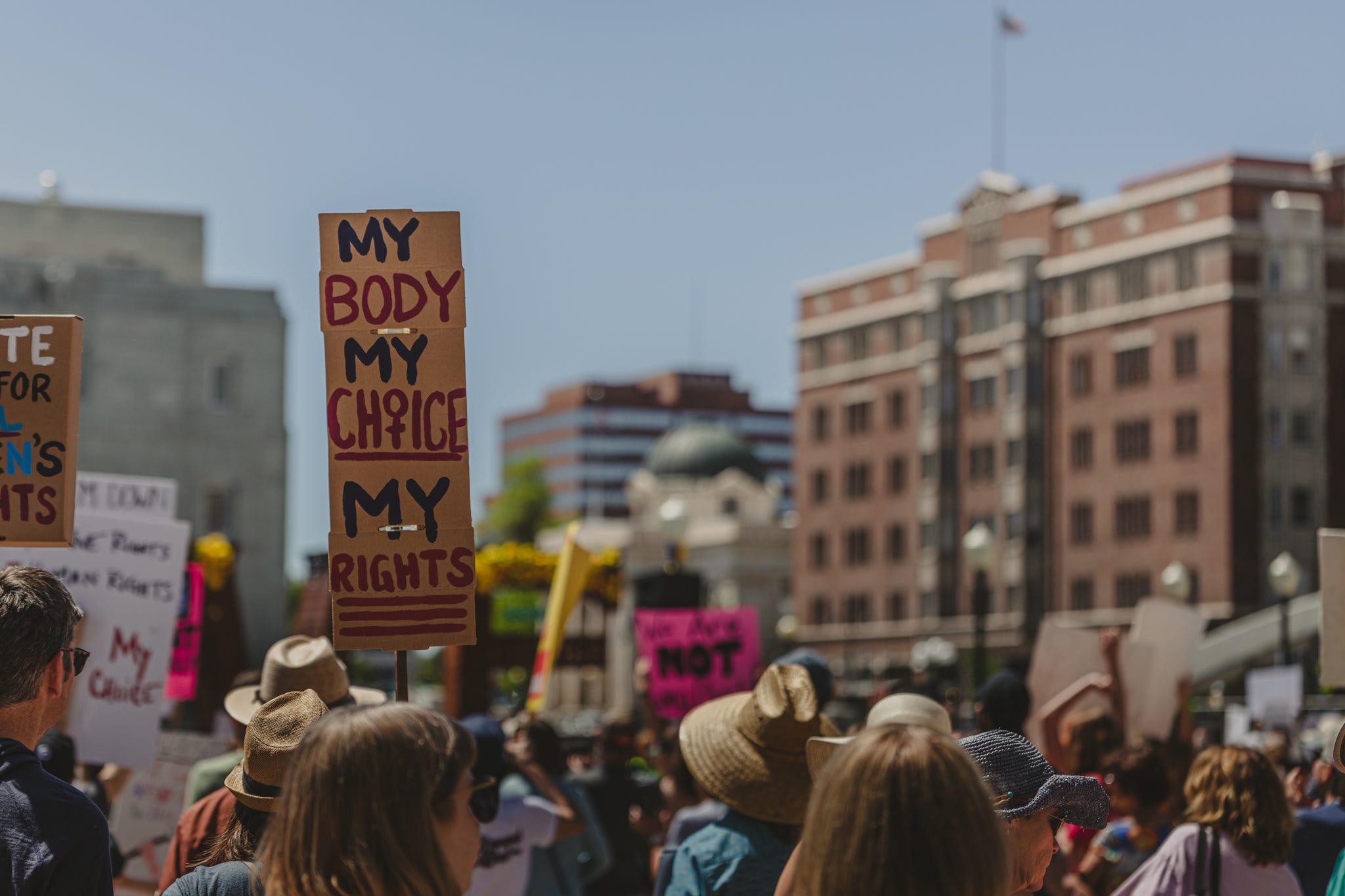
Today marks the two-year anniversary of the overturning of Roe v. Wade.
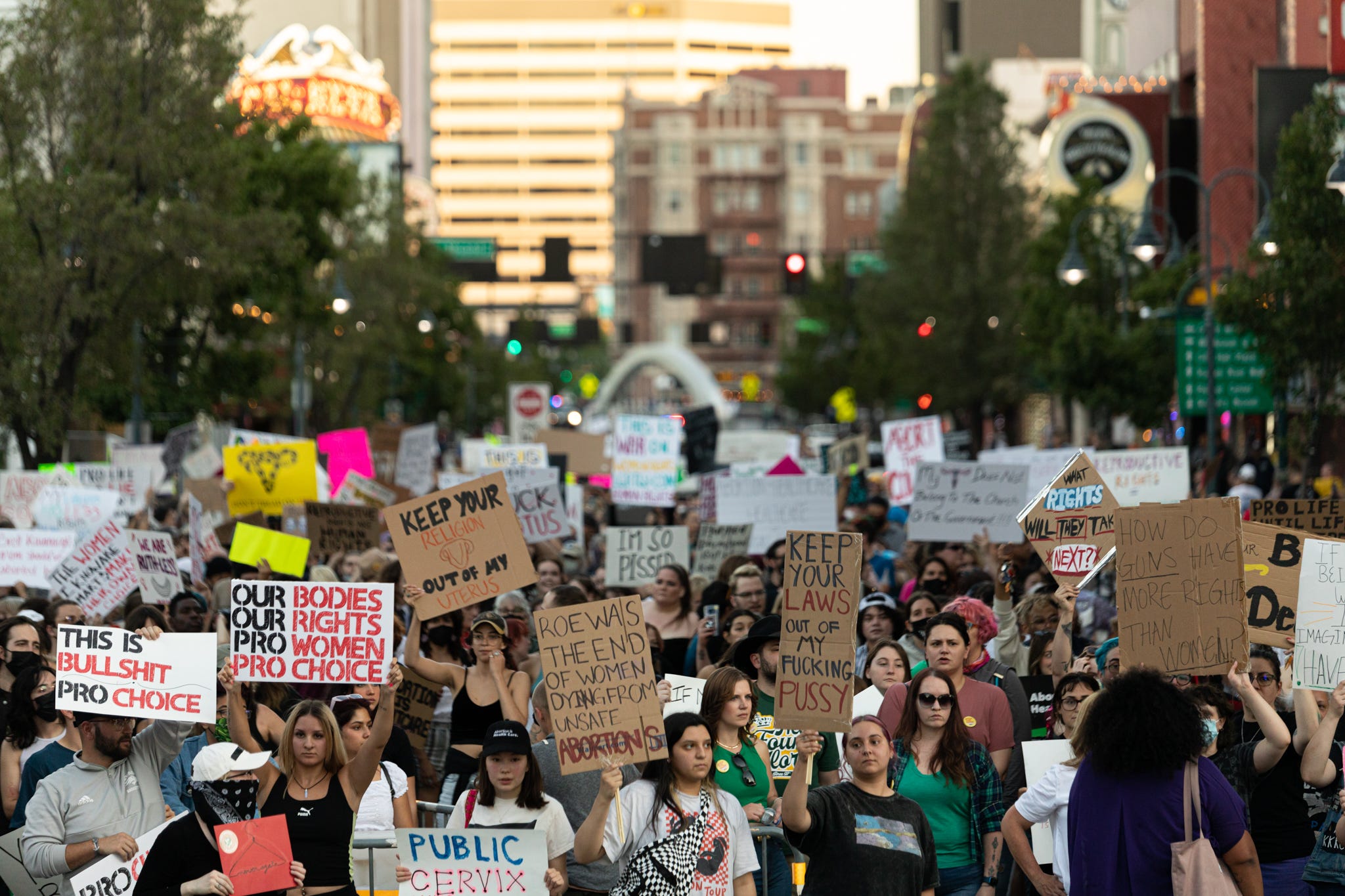
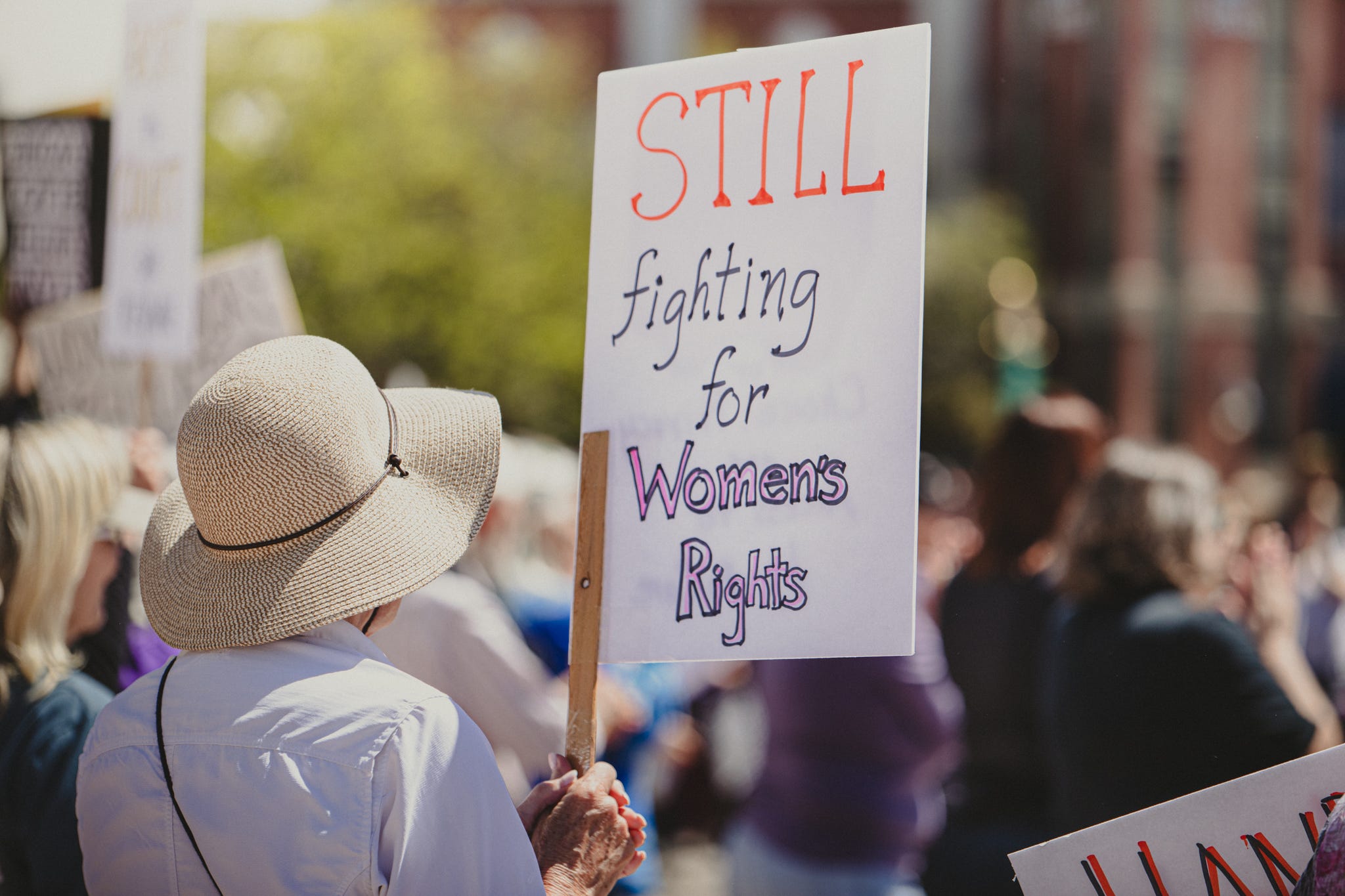
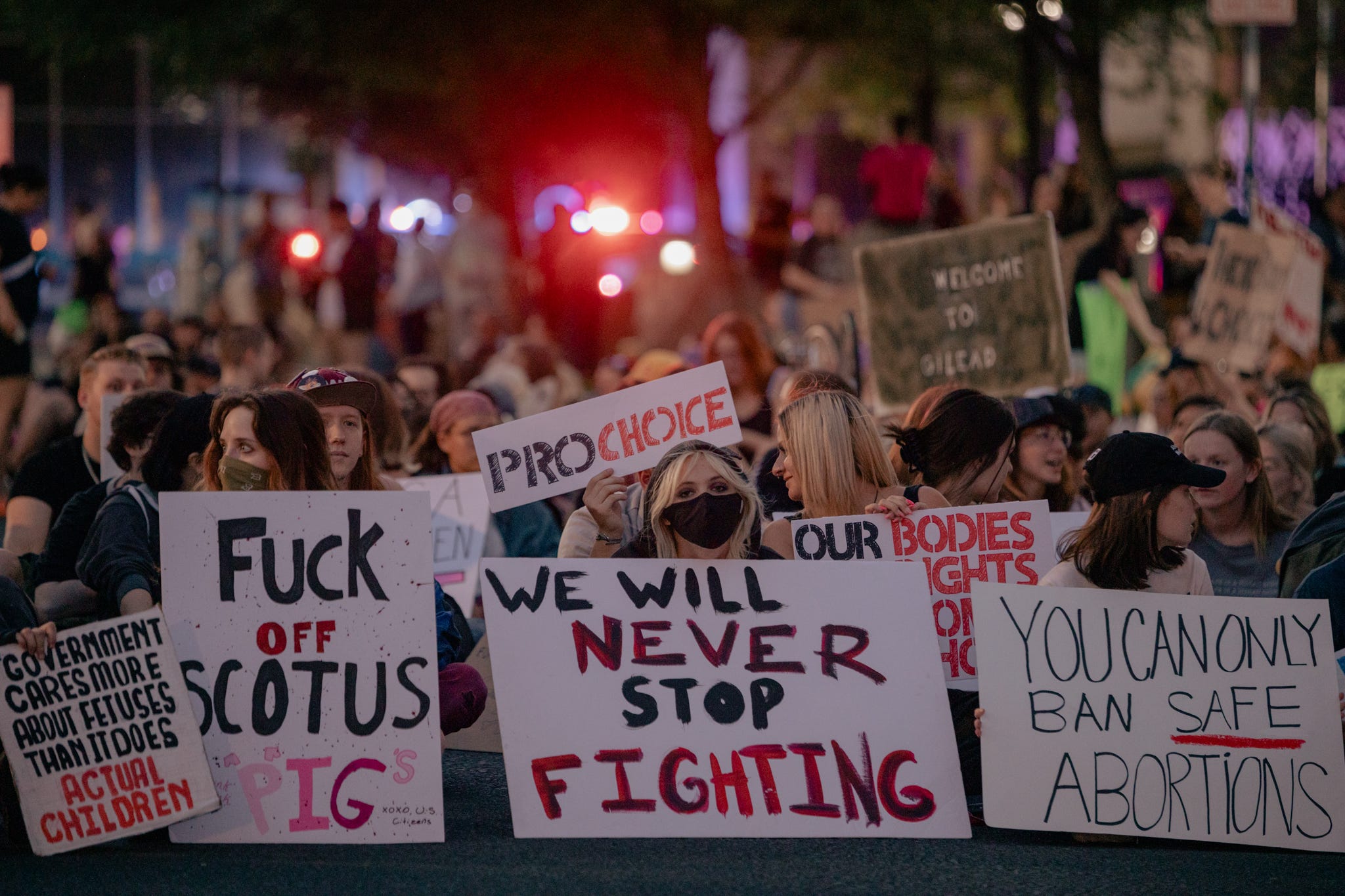
On the day the Supreme Court overturned Roe, I went to photograph the impromptu protest that happened in Reno, Nevada later on that same day and continued through the night. Some images included in this post are from that historic day.
Below is an article I wrote to discuss where the United States stands on today’s two-year anniversary living in a post Roe reality and how the composition of the Supreme Court influences what happens in the United States for generations to come.
Supreme Court composition
On June 24, 2022, a landmark decision by the Supreme Court transformed the landscape of reproductive rights in the United States.
The decision in Dobbs v. Jackson Women's Health Organization (2022) overturned a nearly fifty-year precedent set by Roe v. Wade (1973), which had federally protected a woman's right to choose an abortion.
The decision came from a divided court along partisan lines depending on which President appointed which Justice.
Justices Clarence Thomas, Neil Gorsuch, Brett Kavanaugh, and Amy Coney Barrett supported the majority opinion, authored by Justice Samuel Alito. President George W. Bush appointed Alito and President George H.W. Bush appointed Thomas, while President Trump appointed Gorsuch and Kavanaugh.
These justices appointed by a Republican President held an opinion that the Constitution does not guarantee a right to abortion, returning the power to regulate abortion to the individual states.
In dissent, Justices Stephen Breyer, Sonia Sotomayor, and Elena Kagan expressed their opposition to the majority’s ruling. President Clinton appointed Breyer and President Obama appointed Sotomayor and Kagan.
These justices appointed by a Democratic President underscored the significant implications for women's rights and healthcare access, emphasizing the departure from a long-standing legal precedent.
“After today, young women will come of age with fewer rights than their mothers and grandmothers had.”
Dobbs v. Jackson Women's Health Organization, 597 U.S. 215, 411 (2022) (Breyer, Sotomayor, and Kagan, JJ., dissenting).1
The Dobbs ruling not only removed federal protections for abortion but also started major state-level legislative changes, ranging from restrictive bans to laws affirming abortion rights.
The composition of the Court and the presidents who appointed these justices show the lasting influence of judicial appointments.
Abortion access since the Dobbs decision
Twenty-one states have banned abortion or restricted the procedure earlier in pregnancy than the standard originally set by Roe v. Wade.
Public opinion remains in favor of maintaining access to abortion. Since the end of Roe v. Wade (1973), several states have changed their laws via voting and through legislative means.
Initiatives are in motion to place constitutional amendments related to abortion on the November 2024 ballot in up to 13 states, including Arizona, Arkansas, Colorado, Florida, Iowa, Maine, Maryland, Missouri, Montana, Nebraska, Nevada, Pennsylvania, and South Dakota.
California, Kansas, Kentucky, Michigan, Vermont, and Ohio have held votes on constitutional amendments concerning abortion. In each instance, the outcome favored maintaining or increasing access to abortion.
In the states where abortion is currently entirely illegal, citizens don't have the option to propose constitutional amendments for the ballot. In these states, the legislative body controls the process.
In Idaho, the state's Supreme Court ruled in 2023 that there is no constitutional right to an abortion, resulting in the almost complete prohibition of abortion. The U.S. Supreme Court will determine whether this ban conflicts with a federal law that mandates emergency care for all patients, including pregnant women facing life-threatening situations who need abortions. The U.S. Supreme Court may release its decision this week or soon after.
In Florida, a six-week abortion ban passed in their legislature in April 2023. This law replaces a 15-week ban that's been in effect since July 2022, shortly following the fall of Roe. Florida residents will vote in November on a proposal to enshrine abortion rights into the state constitution, and it’s not the first state to do so.
Kansas voters overwhelmingly rejected a state constitutional amendment that would have allowed lawmakers to impose further abortion restrictions. This August 2022 vote was a clear indication that even in traditionally conservative states, there is firm support for maintaining reproductive rights.
IVF and contraception could be next
The end of Roe is now affecting not only abortion access but also contraception and in vitro fertilization (IVF). New state laws in some of the complete abortion ban states have raised concerns about the legality of certain contraceptives and IVF practices.
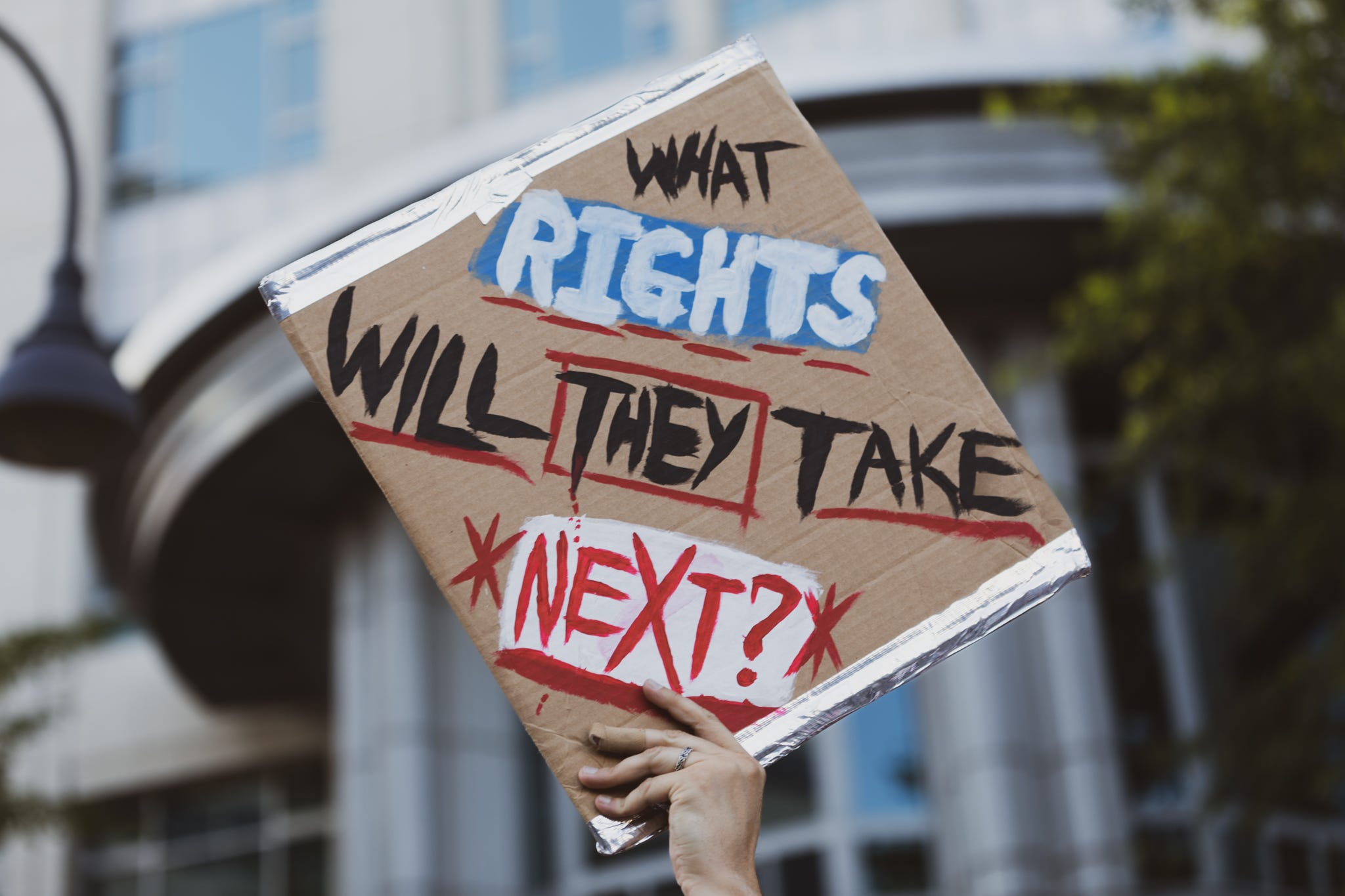
There are states where new laws define life at fertilization, and there is now ambiguity regarding the use of emergency contraceptives and intrauterine devices (IUDs). These contraceptives, which can prevent implantation of a fertilized egg, might be interpreted as abortifacients under the new definitions.
On June 5, 2024 Senate Republicans blocked legislation designed to protect women’s access to contraception.
Similarly, IVF treatments are facing new challenges in the post Roe landscape. The definitions of when life begins in certain states could affect how embryos are handled in fertility clinics.
In early March 2024, Alabama lawmakers enacted a shield law following the State Supreme Court's decision that allowed frozen embryos to be legally recognized as children that temporarily halted all IVF procedures in the state.
On June 13, 2024 Senate Republicans blocked legislation from moving forward to protect access to IVF rights.
The upcoming November 2024 presidential election
Moving forward to the presidential election this November, the major question for former President Donald Trump has been whether he will seek a nationwide abortion ban if elected.
The most recent information from Trump occurred during an interview with TIME’s Eric Cortallessa. In an analysis by TIME after the interview, they stated, “The current patchwork system in which every state’s abortion policy is different is exactly how things should remain in Trump’s mind.”
“It was three justices named by one President — Donald Trump — who were the core of today’s decision to upend the scales of justice and eliminate a fundamental right for women in this country.”
Remarks by President Biden on the Supreme Court Decision to Overturn Roe v. Wade (June 24, 2022)2
President Joe Biden made reproductive rights a central theme to his State of the Union address earlier this year. His speech included, “There are state laws banning the right to choose, criminalizing doctors, and forcing survivors of rape and incest to leave their states as well to get the care they need.”
He continued in the speech about the ‘electoral or political power’ of women in America to show up at the polls regarding reproductive rights.
He finished with a promise to restore Roe v. Wade if given a majority in congress saying, “If Americans send me a Congress that supports the right to choose, I promise you, I will restore Roe v. Wade as the law of the land again!”
Clearly, both major party candidates have markedly different plans if elected for another four-year term. With the first debate scheduled for Thursday, June 27 of this week, reproductive rights will surely be an issue that is discussed at length.
“Most threatening of all, no language in today’s decision stops the Federal Government from prohibiting abortions nationwide, once again from the moment of conception and without exceptions for rape or incest. If that happens, ‘the views of [an individual State’s] citizens’ will not matter.”
Dobbs v. Jackson Women's Health Organization, 597 U.S. 215, 361 (2022) (Breyer, Sotomayor, and Kagan, JJ., dissenting).3